
Serpent Team

Andrew Hanna
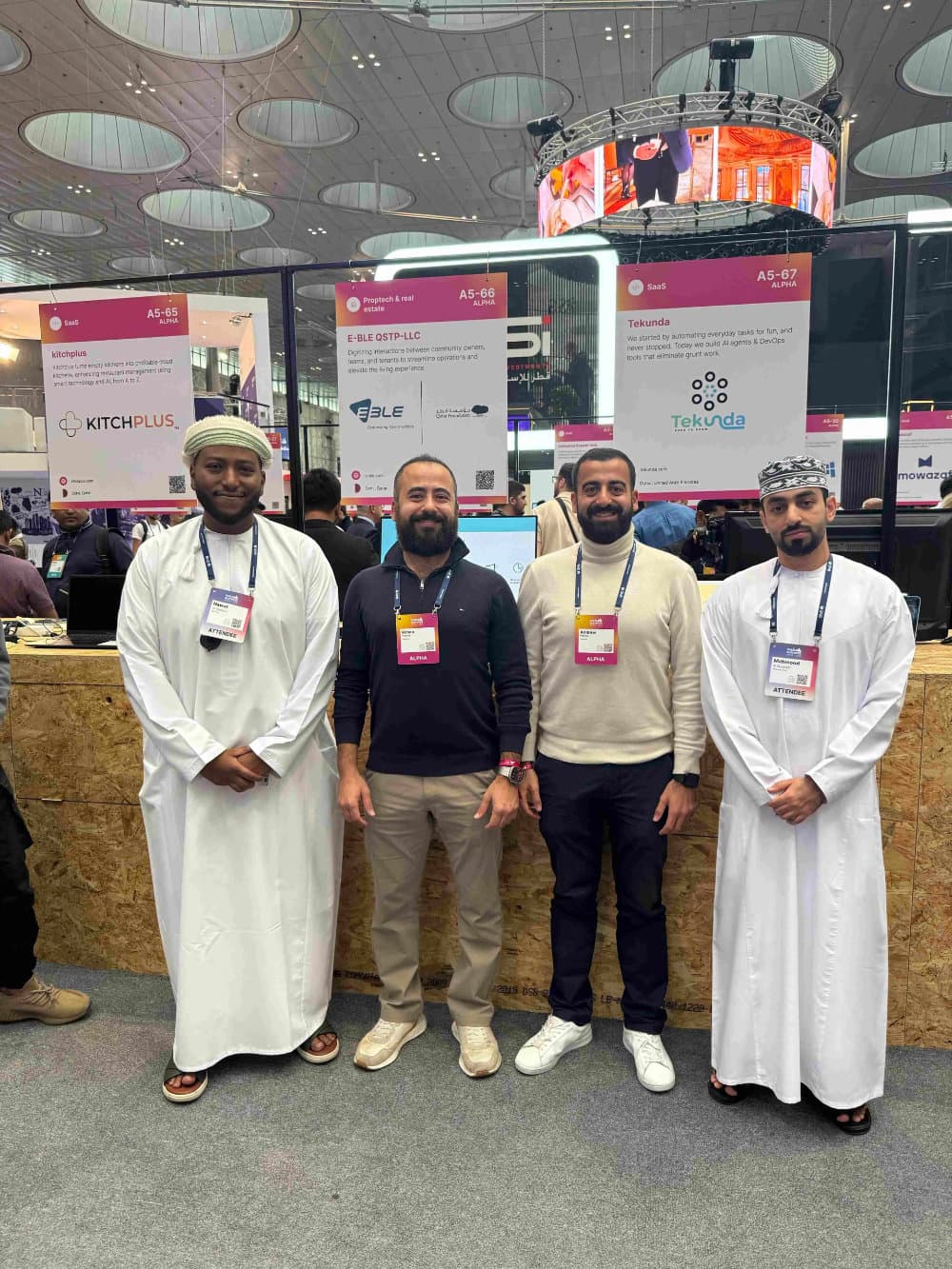
Coming back from Web Summit Qatar this February, the first thing we noticed was the tone. It felt focused and deliberate.
The value of the event did not come from production or size. It came from the substance of the conversations. Meetings moved quickly beyond introductions and into concrete discussion. People were not browsing. They were evaluating opportunities.
It became clear that Qatar is not approaching technology as a short term trend. There is coordination across stakeholders, alignment between public and private actors, and a visible long term direction that extends beyond the conference.
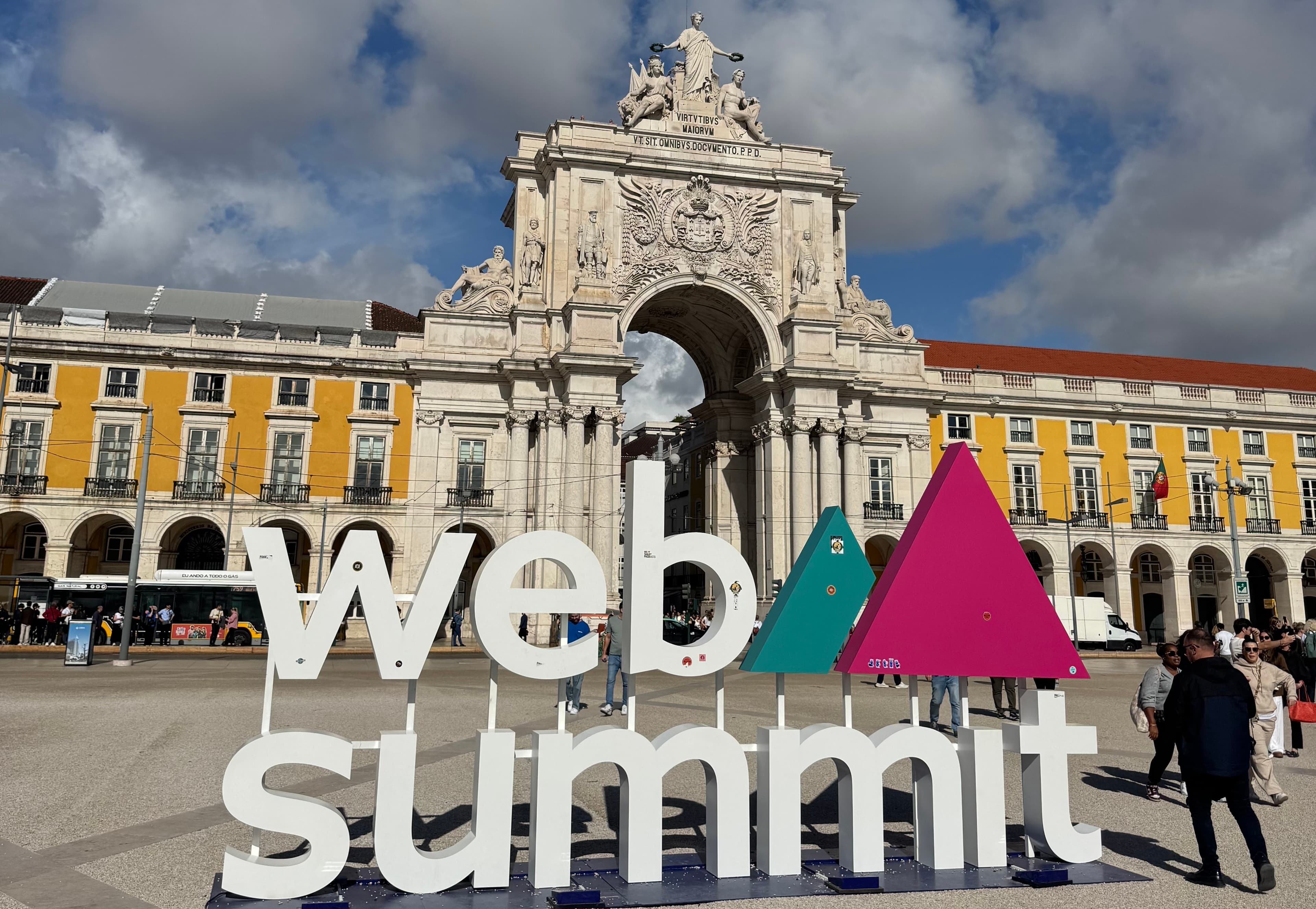
Compared to Web Summit Lisbon, Qatar felt more concentrated.
Lisbon operates at scale. The environment is global, fast paced, and dense. You can meet dozens of companies in a single afternoon. It is well suited for exposure, discovery, and testing how your message lands across multiple markets.
Qatar operates differently. The pace is steadier and exchanges go deeper. Conversations do not feel rushed, yet they move with clarity. The size of the event shapes the rhythm, but the level of intent behind each interaction is noticeably higher.
Investors were present, but what stood out was access to decision makers. Founders, operators, ecosystem leaders, and government representatives who are directly involved in execution.
After brief introductions, discussions moved into practical considerations. Market entry models. Partnership structures. Operational setup. Regulatory context.
This changes the nature of engagement. Instead of collecting contacts, you are exploring next steps with individuals who can influence outcomes.
The nature of the questions was equally telling.
There was little appetite for bold projections or abstract narratives. Many conversations centered on what happens after early traction. How do companies scale responsibly? What becomes of AI initiatives once the pilot phase ends? How do partnerships translate into measurable outcomes?
The emphasis was on durability. What sustains performance over time. What requires ownership. What needs governance once the initial momentum slows.
That perspective aligns closely with how we operate at Tekunda. Most of our work happens inside live environments rather than slide decks. Whether it is AI agents embedded in operational workflows or Serpent supporting controlled Salesforce releases, the real test begins after launch. Systems must perform reliably as complexity increases.
The audience in Qatar reflected that mindset. The curiosity was informed and grounded in execution.
Market Entry in Qatar: Structured and Accessible
One example stood out clearly.
Multiple stakeholders described a framework where international companies can establish a licensed entity with no licensing cost for the first three years, significantly lowering early-stage expansion risk. For growth-stage companies evaluating regional presence, that changes the cost calculus.
Rather than asking, “Can we afford to explore this market?” the question becomes, “Are we operationally ready to enter it?”
The broader signal is important. Qatar is not positioning itself as an open networking venue alone. It is building a structured pathway for companies that want to commit long term. Incentives are tied to continuity, not visibility.
Access also felt different. Instead of navigating multiple intermediaries, conversations often began directly with operators embedded in the ecosystem — regulatory advisors, program managers, and sector leads who could explain practical next steps rather than high-level policy.
Lisbon generates momentum through scale and diversity. The density of startups and investors, the networking tools, and the flow between stages create acceleration. You move quickly between markets and perspectives.
Qatar builds momentum differently. Discussions tend to stay within a defined regional context. Rather than breadth, you encounter depth. The focus is on how your model fits within the ecosystem and what it would take to operate there effectively.
The contrast is not about superiority. It is about where momentum originates. In Lisbon, it grows from variety and exposure. In Qatar, it develops through alignment and market specificity.
For us, Web Summit Qatar was less about visibility and more about strategic alignment.
The conversations reinforced something we have been observing consistently across events: many AI builders are struggling with the same bottleneck.
The challenge is no longer just building agents. It is connecting them to real data, securing retrieval, integrating them into existing systems, and making them production-ready.
At Web Summit Lisbon and again in Qatar, we saw repeated patterns:
But friction around integration, governance, and scaling beyond the first deployment.
That is where Tekunda is concentrating its strengths.
We are not positioning ourselves as an AI lab. We are positioning ourselves as the infrastructure layer that makes AI usable inside real organisations.
For AI builders, Tekunda accelerates scalability and go-to-market by providing:
The objective is straightforward: enable AI teams to focus entirely on refining their agents rather than wrestling with backend data complexity, fragmented integrations, or governance gaps.
In Qatar, that positioning resonated clearly.
The questions were not about model accuracy. They were about integration architecture. About secure retrieval across internal systems. About compliance once AI becomes embedded in daily workflows.
That is precisely where structured infrastructure becomes critical.
Web Summit events serve different strategic purposes depending on your objectives.
Lisbon expands reach and tests positioning across global markets.
Qatar sharpens positioning within a defined regional context.
For companies evaluating expansion, partnerships, or entry into the Middle East, understanding that distinction informs preparation and resource allocation.
The difference is not simply scale. It is direction and market focus.
Serpent Team


Tekunda Team
Tekunda Team
Tekunda Team

Andrew Hanna

Tekunda Team