

Tekunda
How we Engage
CareersJoin the team building production-grade agentic AI.BlogField notes on AI, Salesforce and shipping to production.
What we solve
Put AI agents into operationsAgentic Enterprise AI: agents that act, cite sources, and push back.Improve CX with AICX AI agents: resolve and route, omnichannel, Arabic and English.Connect your systemsIntegration & MCP: 70+ enterprise systems, governed and reversible.Build a product or appFull-stack products, SaaS and native mobile, by senior engineers.Serve customers in ArabicDialect-aware Arabic agents, full RTL, Agentforce Voice, WhatsApp.
Salesforce depth: one click in
AgentforceSix agents, one customer journey, grounded in your data.Service CloudAutonomous cases where Agentforce does the work.Data 360One source of truth on Salesforce Data Cloud.Tekunda IoT CloudConnected-asset events to autonomous triage.AI Decision SupportProactive, grounded answers that push back.Salesforce partnerSI, ISV, PDO and Agentforce partner credentials.
Proven in production
Connected devicesASSA ABLOY, FocusCura, Phoniro: device estates that run themselves.Healthcare & home care10+ care organisations live in production in the Netherlands.Real estateThe six-agent journey, from listing match to first response.
The proof
ASSA ABLOY case study3,000 cases a week, down to 350.CerebroGo-to-market natif Salesforce, prouvé en production.Syntilio case studyPDO healthcare platform, shipped on the AppExchange.All industriesOne architecture, calibrated to your sector.
Products portfolioBuilt by Tekunda

The platforms and engines we build and run: Service Circle, Tekunda IoT Cloud, Tekunda AI & Integration Hub.

Explore the portfolio
Book a meeting
EN
EnglishENNederlandsNLالعربيةARFrançaisFRDeutschDE
SalesforcepartnerClaudeClaude partner
EN
EnglishENNederlandsNLالعربيةARFrançaisFRDeutschDE
Book a meeting
Tekunda

Shed to grow. We simplify business processes so your team can focus on what really matters.

Partenaire Salesforce SI · ISV · PDO · Agentforce
What we solve
AI AgentsCX AI AgentsIntegration & MCPProduct DevelopmentArabic AI Agents
Salesforce
AgentforceService CloudData 360Tekunda IoT CloudAI Decision SupportCerebroPartner credentials
Company
ProductsIndustriesInsightsHow we EngageAboutContact
© 2026 Tekunda L.L.C-FZ
EnglishNederlandsالعربيةFrançaisDeutsch
PrivacyTerms
Back to Articles
Serpent Team

Serpent Team

Updated 3 months ago

2026-04-07T03:50:38.509Z

From Change Sets to Continuous Delivery: SF DevOps Playbook

From Change Sets to Continuous Delivery: SF DevOps Playbook

Why Change Sets and Legacy Tools Hold Teams Back

Change sets were never meant for scale.

They served as a manual bridge for small orgs until teams grew, features multiplied, and parallel workstreams made “click-to-deploy” impossible to manage.

Today, even DevOps platforms that replaced change sets often fall into the same trap: too many steps, too much configuration, and too little context.

Instead of enabling speed, they create overhead—forcing teams to juggle scripts, pipelines, and permissions for every release.

It’s time to move past both extremes. The modern Salesforce DevOps playbook is simpler: continuous delivery without complexity.

The Evolution of Salesforce Releases

Stage Era Approach Limitations
1️⃣ Change Sets Pre-DevOps Manual selection and deployment Prone to errors, no version control
2️⃣ Scripted CI/CD Early DevOps Pipelines, Git, and CLI tools Requires dedicated engineer
3️⃣ Task-Based Automation Modern Unified, visual workflow Built for real-world Salesforce teams

Most teams are stuck between Stage 1 and 2, either spending hours on manual work or maintaining complex CI/CD scripts that few people truly understand.
Stage 3 solves both.

The Modern Salesforce DevOps Playbook

Here’s what the new model looks like, step-by-step.

1. Centralize Tasks and Stories

Every change begins as a task tied to a story.
By connecting work items directly to metadata, you align development and release cycles automatically.
Serpent does this natively—no manual mapping, no spreadsheets.

2. Connect Orgs and Version Control

Integrate your sandboxes, production org, and Git once.
Serpent manages GitFlow behind the scenes, linking each task to its own branch and keeping orgs in sync.

3. Automate Validation and Testing

Every task runs pre-deployment checks before promotion.
If something breaks, you know exactly which component caused it—and rollback is instant.

4. Deploy by Task, Not Metadata

Instead of packaging components manually, deploy per task.
This approach brings context: you’re promoting specific work, not guessing which XML files matter.

5. Enable Rollback and Drift Detection

Drift happens when orgs evolve separately.
Serpent automatically compares and alerts you when configurations diverge, preventing failed releases before they happen.

6. Measure Deployment Velocity

Visibility turns DevOps from art into science.
Track how long tasks take from commit to deployment, and measure improvement over time.

Why This Playbook Works

Traditional DevOps focuses on automation steps; modern DevOps focuses on alignment.
By treating tasks, orgs, and branches as one connected system, you gain:

  • Predictable releases that don’t depend on one person.
  • Faster recovery from errors.
  • Complete traceability across environments.
  • Confidence to deploy daily instead of weekly.

Teams that follow this playbook cut release time by up to 6×, without adding headcount or infrastructure.

Real Teams, Real Results

ISV Case Study:

A 4-developer ISV team replaced manual change sets with Serpent’s task-based workflow.
They moved from weekly releases to twice-daily deployments and eliminated 90 % of post-release fixes. Read a detailed case study.

Consultancy Example:

A boutique partner automated testing and drift detection through Serpent’s Org Management feature.
QA cycles dropped from two days to two hours.

These results aren’t outliers,they’re what happens when DevOps aligns with how Salesforce teams actually work.

The Unified Path Forward

Change sets built habits. Legacy tools built walls. The future builds momentum, a connected workflow that anyone can run and everyone can trust.

Serpent delivers that unified path: task-based, visual, and intelligent. 

One tool for planning, deploying, and analyzing Salesforce releases without the friction of traditional DevOps.

More Articles

Web Summit Qatar 2026: Focused Growth & Real Business Momentum
Andrew Hanna

Andrew Hanna

·Updated Jun 8, 2026

2026-06-08T14:08:14.367Z

Web Summit Qatar 2026: Focused Growth & Real Business Momentum

Guide: Best Salesforce DevOps Platforms & Tools for 2026
Serpent Team

Serpent Team

·Updated Apr 26, 2026

2026-04-26T19:26:24.805Z

Guide: Best Salesforce DevOps Platforms & Tools for 2026

Going the Extra Mile: Creating Exceptional Customer Experiences
Tekunda Team

Tekunda Team

·Updated Apr 7, 2026

2026-04-07T04:07:16.677Z

Going the Extra Mile: Creating Exceptional Customer Experiences

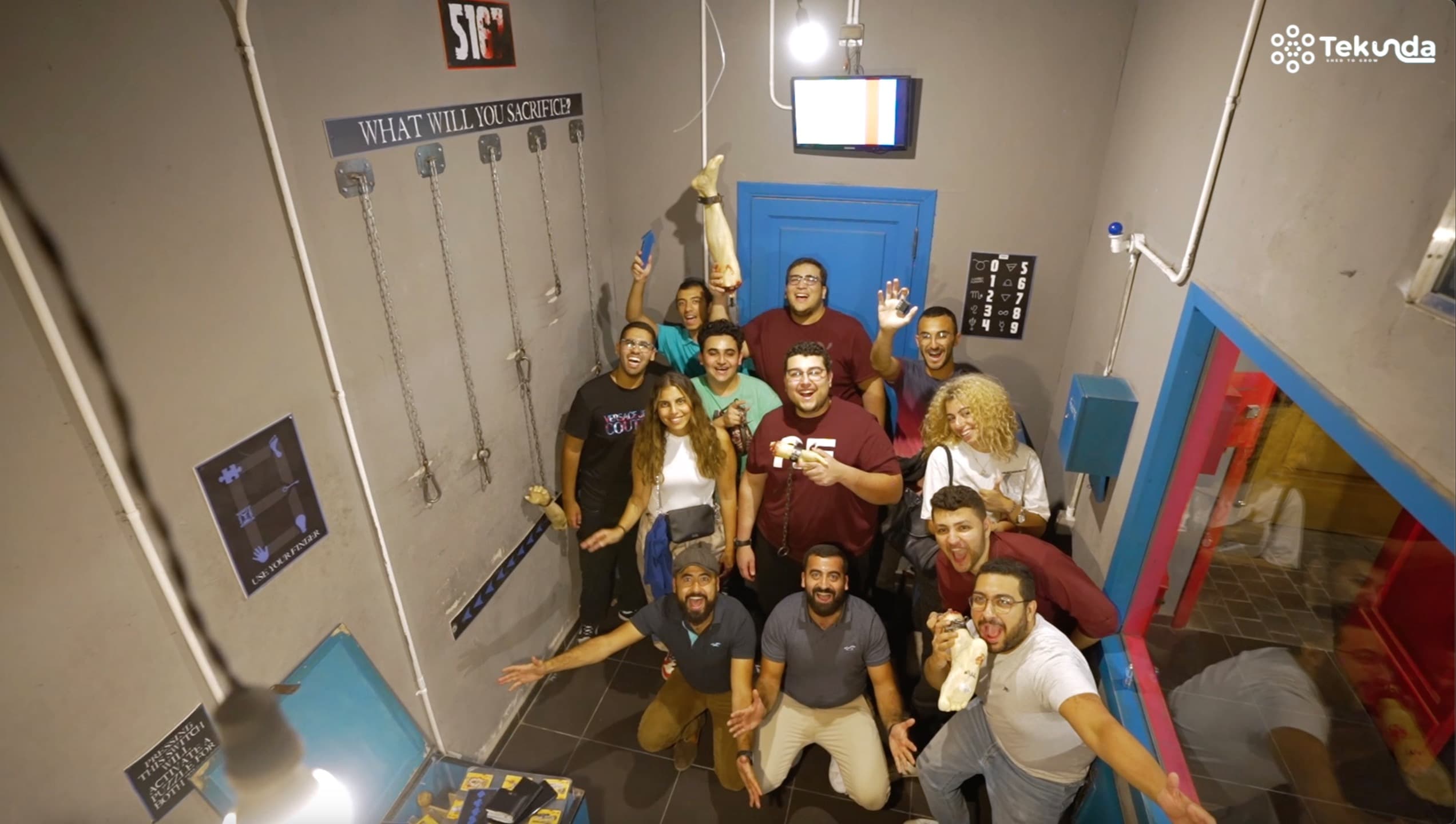
Freaky Friday! Team Building, Tech Talks: Why I Love Working here
Tekunda Team

Tekunda Team

·Updated Apr 7, 2026

2026-04-07T04:07:04.560Z

Freaky Friday! Team Building, Tech Talks: Why I Love Working here

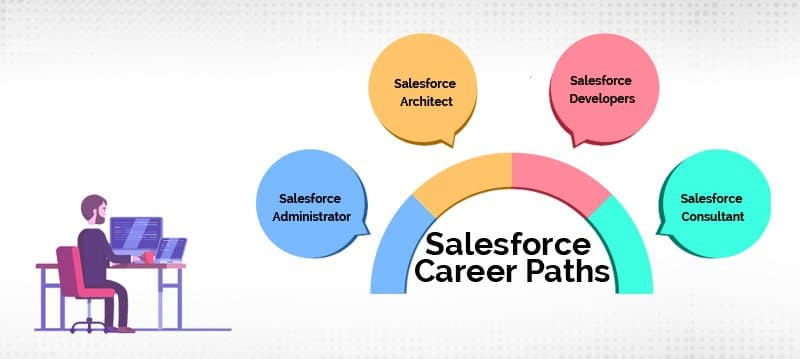
Why and How to Start a Career in the Salesforce; Skills and Resources
Tekunda Team

Tekunda Team

·Updated Apr 7, 2026

2026-04-07T04:07:00.024Z

Why and How to Start a Career in the Salesforce; Skills and Resources

Inside Web Summit Lisbon 2025: What It's Really Like
Andrew Hanna

Andrew Hanna

·Updated Apr 7, 2026

2026-04-07T04:06:47.297Z

Inside Web Summit Lisbon 2025: What It's Really Like