
Tekunda
How we Engage
CareersJoin the team building production-grade agentic AI.BlogField notes on AI, Salesforce and shipping to production.
What we solve
Put AI agents into operationsAgentic Enterprise AI: agents that act, cite sources, and push back.Improve CX with AICX AI agents: resolve and route, omnichannel, Arabic and English.Connect your systemsIntegration & MCP: 70+ enterprise systems, governed and reversible.Build a product or appFull-stack products, SaaS and native mobile, by senior engineers.Serve customers in ArabicDialect-aware Arabic agents, full RTL, Agentforce Voice, WhatsApp.
Salesforce depth: one click in
AgentforceSix agents, one customer journey, grounded in your data.Service CloudAutonomous cases where Agentforce does the work.Data 360One source of truth on Salesforce Data Cloud.Tekunda IoT CloudConnected-asset events to autonomous triage.AI Decision SupportProactive, grounded answers that push back.Salesforce partnerSI, ISV, PDO and Agentforce partner credentials.
Proven in production
Connected devicesASSA ABLOY, FocusCura, Phoniro: device estates that run themselves.Healthcare & home care10+ care organisations live in production in the Netherlands.Real estateThe six-agent journey, from listing match to first response.
The proof
ASSA ABLOY case study3,000 cases a week, down to 350.CerebroGo-to-market natif Salesforce, prouvé en production.Syntilio case studyPDO healthcare platform, shipped on the AppExchange.All industriesOne architecture, calibrated to your sector.
Products portfolioBuilt by Tekunda

The platforms and engines we build and run: Service Circle, Tekunda IoT Cloud, Tekunda AI & Integration Hub.

Explore the portfolio
Book a meeting
EN
EnglishENNederlandsNLالعربيةARFrançaisFRDeutschDE
SalesforcepartnerClaudeClaude partner
EN
EnglishENNederlandsNLالعربيةARFrançaisFRDeutschDE
Book a meeting
Tekunda

Shed to grow. We simplify business processes so your team can focus on what really matters.

Partenaire Salesforce SI · ISV · PDO · Agentforce
What we solve
AI AgentsCX AI AgentsIntegration & MCPProduct DevelopmentArabic AI Agents
Salesforce
AgentforceService CloudData 360Tekunda IoT CloudAI Decision SupportCerebroPartner credentials
Company
ProductsIndustriesInsightsHow we EngageAboutContact
© 2026 Tekunda L.L.C-FZ
EnglishNederlandsالعربيةFrançaisDeutsch
PrivacyTerms
Back to Articles
Serpent Team

Serpent Team

Updated 3 months ago

2026-04-07T03:50:38.796Z

Gearset vs Serpent: Which Salesforce DevOps Platform in 2026

Gearset vs Serpent: Which Salesforce DevOps Platform in 2026

If you’ve worked in Salesforce long enough, you already know the biggest names in Salesforce DevOps and Gearset is one of them. 

It’s a long-established platform built to simplify deployments and maintain reliability. But as teams expand and DevOps practices mature, the question often becomes less about “Does it work?” and more about “Does it still scale with us?”

That’s where Serpent by Tekunda enters the conversation, a modern Salesforce DevOps platform built for today’s mixed-role teams: admins, developers, testers, project managers, and release leads.
It delivers the same dependability, with faster automation, flexible workflows, and a pricing model that grows with your team instead of locking it down.

In this guide, we’ll explore how both platforms approach Salesforce DevOps; where they align, where they differ, and how to decide which one best fits your current and future Salesforce strategy.

How Both Tools Simplify Salesforce Deployments

Both Gearset and Serpent were created to replace manual change sets and make Salesforce deployments predictable. Each tool aims to simplify releases, reduce errors, and strengthen collaboration across orgs.

With either tool, teams gain:

  • CI/CD pipelines that replace change sets.
  • Git integration so version control isn't an email chain.
  • Automated testing to stop embarrassing mistakes.
  • Deployment automation that saves time (and weekends).
Learn more about Serpent's Features

Gearset’s Approach: Proven Structure and Governance

Gearset has earned its place as one of the most recognized Salesforce DevOps tools.
It’s a browser-first solution that’s easy to set up, though advanced configuration and enterprise features require time and expertise.

Gearset emphasizes:

  • Metadata comparison and rollback options for change tracking
  • Dependency analysis and audit logs for governance and compliance
  • Integration with GitHub, Bitbucket, and GitLab
  • Enterprise alignment through CI/CD APIs and ALM support

Its per-user pricing works well for large organizations with stable headcounts. However, scaling costs increase linearly as more users join.

In short: Gearset delivers reliability and predictability, ideal for enterprises prioritizing structure, compliance, and consistency.

Serpent’s Approach; Collaboration for Modern Salesforce Teams

Serpent by Tekunda was designed for today’s mixed Salesforce ecosystems, where admins, developers, release managers, and consultants all collaborate on shared pipelines.

Key capabilities:

  • Role-based access control (RBAC) and shared task boards for team alignment
  • VS Code extension so developers deploy, sync Git, and run health checks without leaving their IDE
  • Dynamic org management and scratch org pooling for multi-environment teams
  • Flat team pricing — unlimited users, billed per team not per seat

This approach gives ISVs, consulting partners, and SMB DevOps teams flexibility to scale without headcount based limits.

At its core: Serpent helps Salesforce teams work smarter together, with automation, transparency, and collaboration built in.

Feature Comparison at a Glance

Feature Gearset Serpent
Git integration ✅ ✅ (task-based, admin-friendly)
CI/CD pipelines ✅ ✅ Designed for ease of use
VS Code Extension ❌ ✅  Devs stay in editor, faster adoption
Roll Back Option ✅ (metadata/data options, higher cost)

Coming Soon

Sharing & Collaboration  Limited (roles & pipelines) ✅ (RBAC + task boards + shared context)
Org Management Less emphasis ✅ Dynamic with permissions + scratch org pooling
Org Health Monitoring Built-in/partner scans

Coming Soon

Learning curve Moderate ✅ Easy
Rolls & Permissions ✅ (higher tiers) ✅ More flexible, lower cost
Pricing Expensive ✅ Affordable, transparent
Pricing Model Per-user licensing, add-ons possible Usage-based, predictable

Bringing It Together

Both platforms deliver dependable CI/CD and Git foundations, but their focus diverges as team needs mature.

Ready to see how Serpent fits your team’s workflow?
👉 Explore the Free Demo – no credit card required.

Pricing: Different Philosophies, Different Outcomes

Here’s where their approaches truly diverge.

Gearset Pricing Model

Based on public data (October 2025):

  • Starter (Compare & Deploy): ≈ $200 per user / month
  • Team Tier: ≈ $300 per user / month
  • Enterprise Quote: ≈ $5 K–$7.5 K for 25 users monthly

A 10-user team typically pays ≈ $3 K / month before add-ons like backups or archiving.

Serpent Pricing Model

Serpent ties cost to usage, minutes, releases, and deployments and not user count. This keeps budgets lean for small teams and predictable for fast-growing ones.

Pricing Plans Compared

Gearset Serpent
Starter – $600/mo (≈$200/user × 3 users)
  • Compare & deploy metadata
  • Git integration (all providers)
  • Full deployment history
  • Clone packages
  • Deployment reports
  • Unlimited production orgs
Starter – $149/mo
  • Core DevOps features, task-based workflows
  • Unlimited users
  • 100 monthly credits
  • ~30 releases/month
  • ~50 deployments/month
  • Cancel anytime
  • Flat team price, no per-seat billing
Teams – $3,000/mo (≈$300/user × 10 users)
  • Everything in Starter
  • Scheduled deployments
  • Deployment rollback
  • Combine & redeploy packages
  • Role-based access control
  • Issue tracking integration
  • Team-shared connections
  • Live chat support
Scale – $699/mo
  • Everything in Starter
  • Scratch org pooling
  • Unlimited users
  • 300 monthly credits
  • ~100 releases/month
  • ~150 deployments/month
  • Role-based access control
  • Enhanced support
Enterprise
Custom Quote (≈$5,000–$7,500/mo for 25 users)

  • Everything in Teams
  • Unlimited orgs
  • Advanced enterprise features
  • SAML/SSO
  • Enterprise support
Enterprise – Custom Quote
  • Everything in Scale
  • Flexible seats
  • Flexible minutes
  • Unlimited deployments/releases
  • Enhanced RBAC
  • Dedicated account manager
  • Premium support

Cost Example:
10-user team ≈ $3 K with Gearset vs $699 with Serpent Scale plan, similar release volume, lower cost.

Both Gearset and Serpent make Salesforce deployments faster and safer — but for different reasons.

  • Gearset offers structure and governance — ideal for enterprises with stable pipelines and strict audit requirements.
  • Serpent offers flexibility and collaboration — ideal for modern teams needing to move fast across projects and orgs.

Think of Gearset as the enterprise classic, predictable and solid.
Think of Serpent as the modern evolution, adaptable, built for cross functional teams and cost-efficient.

👉 If Serpent’s approach fits your business needs, you can try the free demo workspace today — no credit card required.

Explore the Free Demo Workspace

Book a Demo

FAQ

Q1. What makes Serpent different from Gearset?
Serpent focuses on collaboration, task-based workflows, and flat team pricing. It’s built for ISVs and multi-org teams who need flexibility without enterprise overhead.

Q2. Can I migrate from Gearset to Serpent?
Yes. Serpent’s migration assistant maps metadata and Git connections from existing Gearset pipelines.

Q3. Does Serpent support rollback and org health scanning?
Both features are on the Serpent roadmap for Q4 2025 and will be included in Scale and Enterprise tiers.

Q4. Who is Serpent best suited for?
Teams of 5–25 users — ISVs, consultants, and internal Salesforce DevOps teams — that need affordable CI/CD without dedicated DevOps engineers.

TL;DR

Gearset Serpent
Strengths Reliable and governance-ready Flexible and collaborative
Best For Enterprise Devops Teams ISVs & small-to-mid teams
Flexibility Limited High
Pricing Per-User Model Usage Based Model
Overall Mature, Stable but Costly Modern, scalable, cost-efficient

 Same DevOps outcomes, more adaptability, less overhead.

If you’re ready to build faster Salesforce releases with flexibility and clarity,
Explore the Free Demo Workspace or Book a Demo.

Learn more about Serpent's Features

Same CI/CD power — more control over how your team works.

Maintenance Note

Last updated: October 2025. Reviewed quarterly for pricing and feature accuracy.


More Articles

Web Summit Qatar 2026: Focused Growth & Real Business Momentum
Andrew Hanna

Andrew Hanna

·Updated Jun 8, 2026

2026-06-08T14:08:14.367Z

Web Summit Qatar 2026: Focused Growth & Real Business Momentum

Guide: Best Salesforce DevOps Platforms & Tools for 2026
Serpent Team

Serpent Team

·Updated Apr 26, 2026

2026-04-26T19:26:24.805Z

Guide: Best Salesforce DevOps Platforms & Tools for 2026

Going the Extra Mile: Creating Exceptional Customer Experiences
Tekunda Team

Tekunda Team

·Updated Apr 7, 2026

2026-04-07T04:07:16.677Z

Going the Extra Mile: Creating Exceptional Customer Experiences

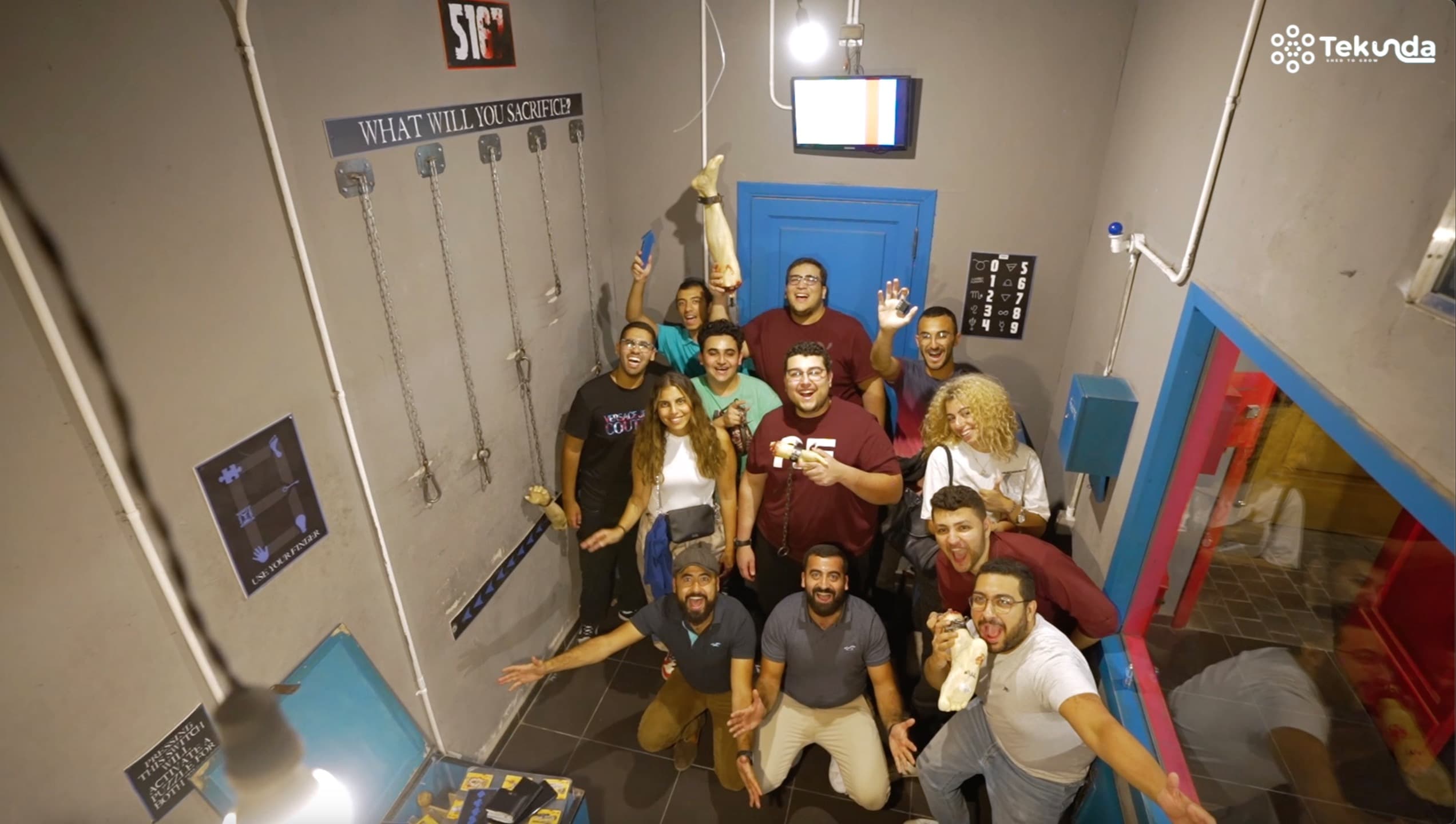
Freaky Friday! Team Building, Tech Talks: Why I Love Working here
Tekunda Team

Tekunda Team

·Updated Apr 7, 2026

2026-04-07T04:07:04.560Z

Freaky Friday! Team Building, Tech Talks: Why I Love Working here

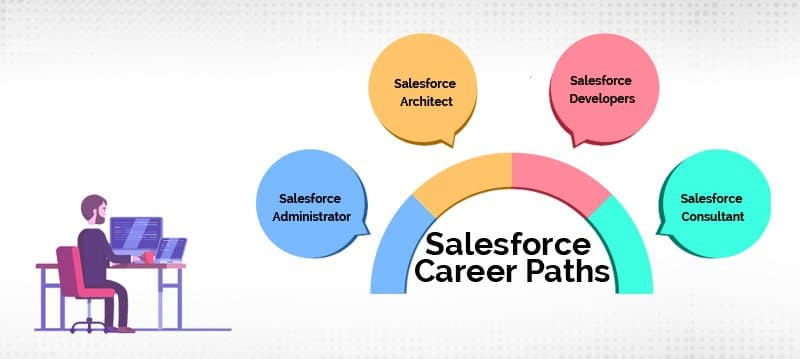
Why and How to Start a Career in the Salesforce; Skills and Resources
Tekunda Team

Tekunda Team

·Updated Apr 7, 2026

2026-04-07T04:07:00.024Z

Why and How to Start a Career in the Salesforce; Skills and Resources

Inside Web Summit Lisbon 2025: What It's Really Like
Andrew Hanna

Andrew Hanna

·Updated Apr 7, 2026

2026-04-07T04:06:47.297Z

Inside Web Summit Lisbon 2025: What It's Really Like