
AI agents for connected devices, one architecture, any asset.
The same multi-agent architecture that triages a smart lock also runs a care alarm or a factory machine. Only the configuration changes.
Any asset, one architecture.
A factory machine, a care alarm and a smart lock all run through the identical agent flow; the calibration is the only variable.
Only the configuration changes.
Factory machine
Vibration and fault events trigger the same SWARM that already knows the asset's history.
Care alarm
A resident's alert reaches the identical agents that triage a locked-out smart lock.
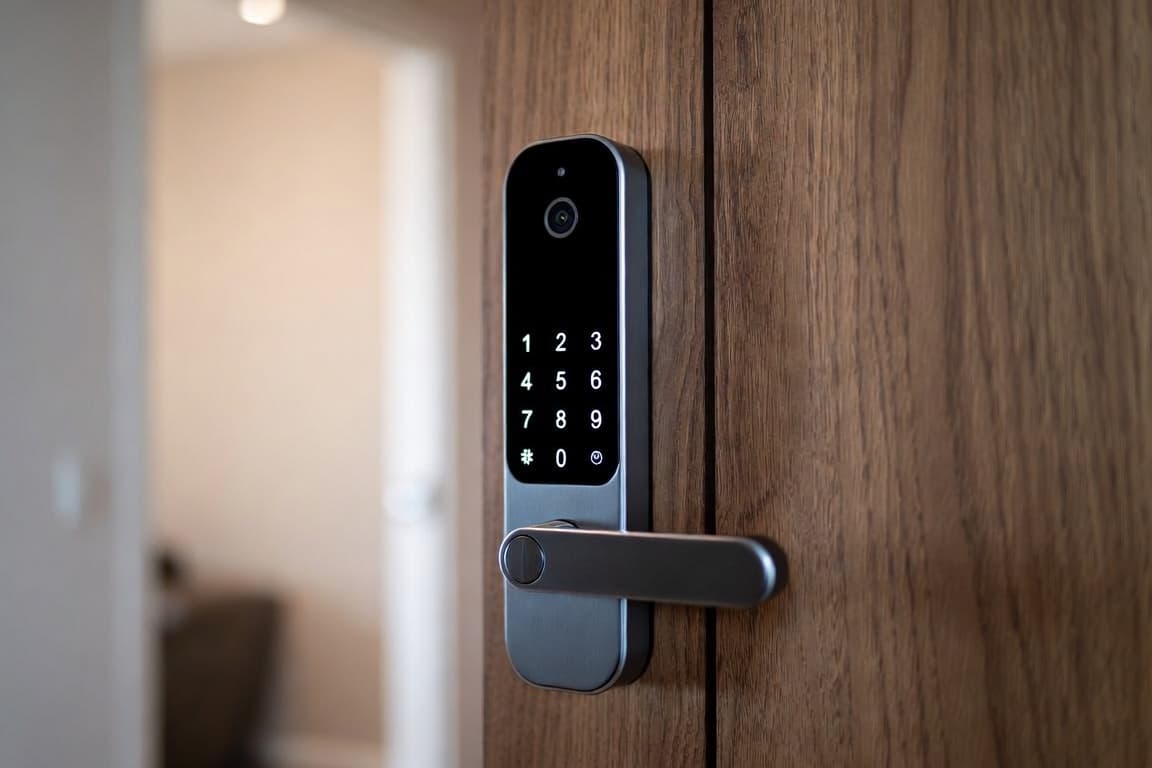
Smart lock
A device fault or access event is decided the same way, in the same architecture.
Agents talk to each other, not just to you.
A coordinating Synthesiser routes work between specialised agents, resolves conflicts and returns one explainable decision, live in production today.
- Deployed and consuming production work at ASSA ABLOY.
- 2.5M events a week handled at peak, across 11K devices.
- Zero added support staff across three markets.
3,000 cases a week, down to 350.
AI agents for connected devices, asked and answered.
Is this a real deployment or a reference design?
A real deployment. The same agents run live at ASSA ABLOY, cutting weekly cases from 3,000 to 350.
How is this different from a single chatbot agent?
Multiple specialised agents coordinate agent-to-agent on one event, not a single model answering in isolation.
Can the same agents run a different asset type?
Yes. Reconfiguring the same architecture for a new asset class is a calibration change, not a rebuild.
Bring one AI agent architecture to every asset you run.
Start with a conversation about your connected operations.