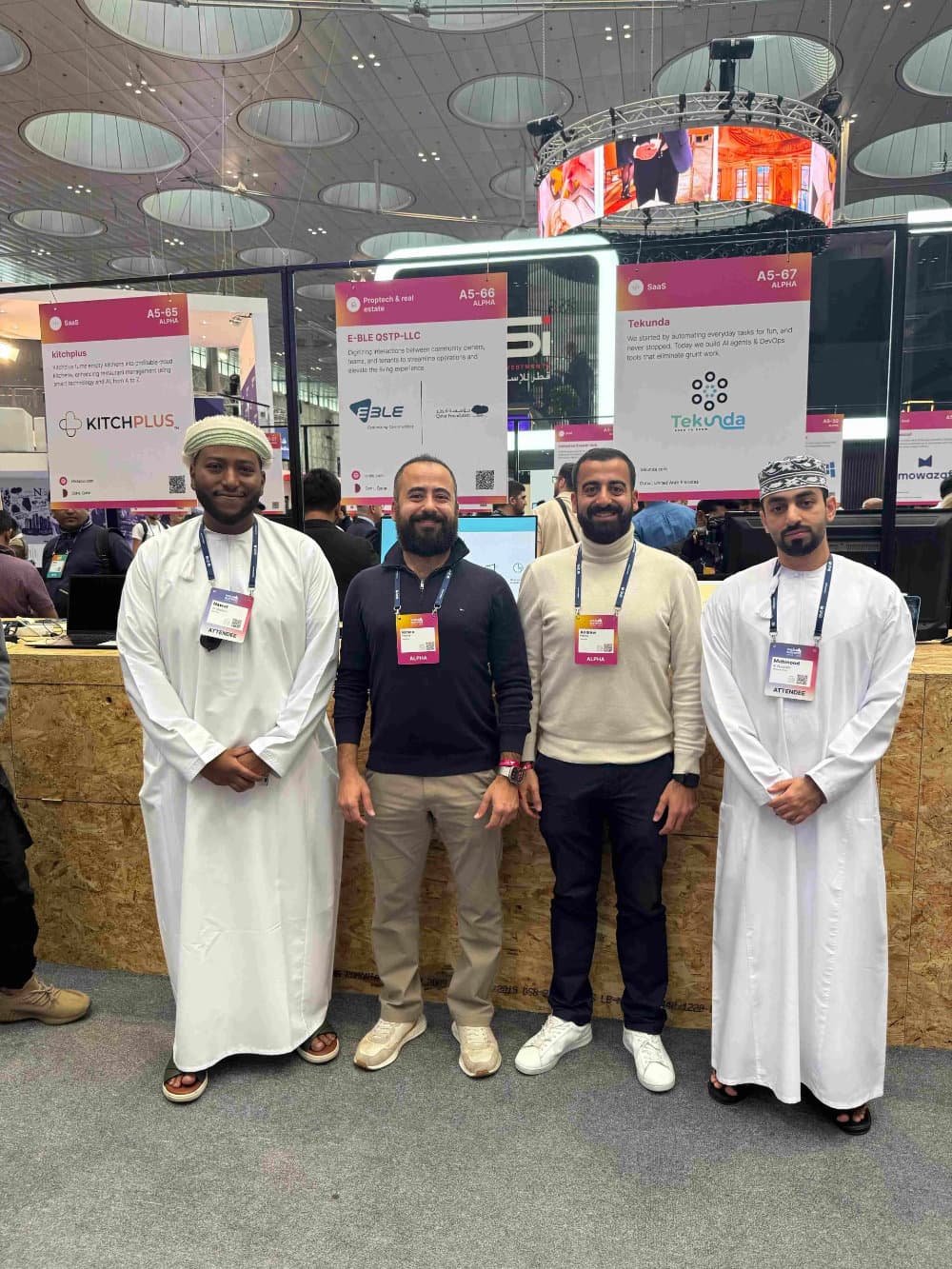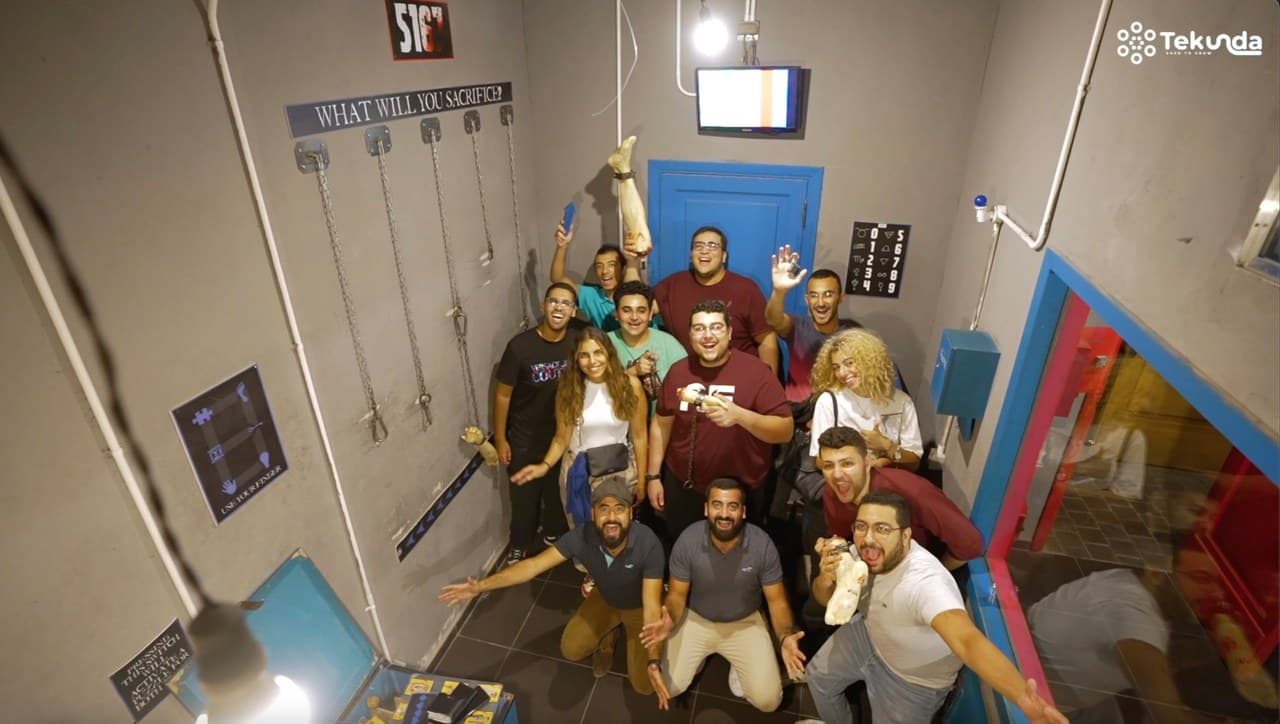

Tekunda Team

Andrew Hanna

Building a successful software team takes more than technical skill. We have learned that success comes from tackling common technical challenges head-on, fostering ownership and dynamic thinking, and hiring people who grow with the team.
Every software team runs into problems that stall progress if left unmanaged:
We address these challenges with a few consistent practices:
Long-standing teams often default to known approaches instead of asking what the best solution is now. That is efficient short-term but damaging once business requirements outpace the systems supporting them. Dynamic thinking keeps teams resilient: use code reviews for mentorship, not just nitpicking, revisit old features with a critical eye, and let engineers call ad hoc brainstorming sessions instead of waiting for the next retrospective. Leaders who protect time for experimentation, even one sprint per quarter, see the biggest breakthroughs.
Ownership is what keeps people invested. It starts with direct, simple stakeholder relationships: invite engineers into roadmap reviews, replace gatekeeping with direct access to domain experts, and explain the reasoning behind priorities.
Trust follows. Let junior team members own a small feature end-to-end with a senior shadowing, not correcting. Celebrate wins publicly through demos and shoutouts, not just a nod in a team meeting. Encourage autonomy: a good sign is someone saying “I tried this approach, here’s why” before anyone asks.
At the team level, ownership means collaboration over competition: pair programming, shared feature ownership, and cross-team reviews. Align personal growth with team goals in 1:1s, a developer interested in DevOps can lead a CI/CD project. Celebrate team wins over individual accolades, and give teams exposure to product strategy and business goals so decisions stay proactive, not reactive.
Hiring is not about filling a seat, it is about finding people who strengthen team dynamics and bring long-term value. Nearly 85% of employees worldwide are disengaged at work, often from poor role fit, according to Gallup. In interviews, watch how candidates think, not just what they know: how they handle unknowns, and whether they understand context before acting.
Rotational internships help both sides find the right fit, exposing interns to product, support, ops, and engineering in one cycle. Career paths should not be rigid either: support internal mobility so people who outgrow a role stay with the company in a new one, instead of leaving altogether.
A successful software team is not built by rigid execution, it is built by how well it handles technical challenges, how genuinely it distributes ownership, and how carefully it hires and grows people. Every improvement compounds: reusable code, clear ownership, and the right hire all reinforce each other over time.
What metrics show a software team is healthy?
Lead time, deployment frequency and bugs per sprint surface problems early. They measure the system the team works in, not individual output.
How do you stop code duplication as a team grows?
Modular, reusable components plus peer review and scheduled refactoring. Static analysis such as ESLint, Prettier and SonarQube catches repetition before it spreads.
How do you give junior engineers real ownership?
Let them own a small feature end to end with a senior shadowing rather than correcting. Ownership shows when someone explains their reasoning before anyone asks for it.
What should you look for when hiring engineers?
How candidates think, not only what they know: how they handle unknowns, and whether they gather context before acting. Role fit predicts engagement better than raw skill.